Understanding the Causes of Damp in Your Home and Why It Shouldn’t Be Ignored
Damp is one of the most common (and often misunderstood) issues homeowners face. It can affect properties of any age, from period homes to modern builds, and if left unresolved, it can lead to structural damage, health concerns, and costly repairs.
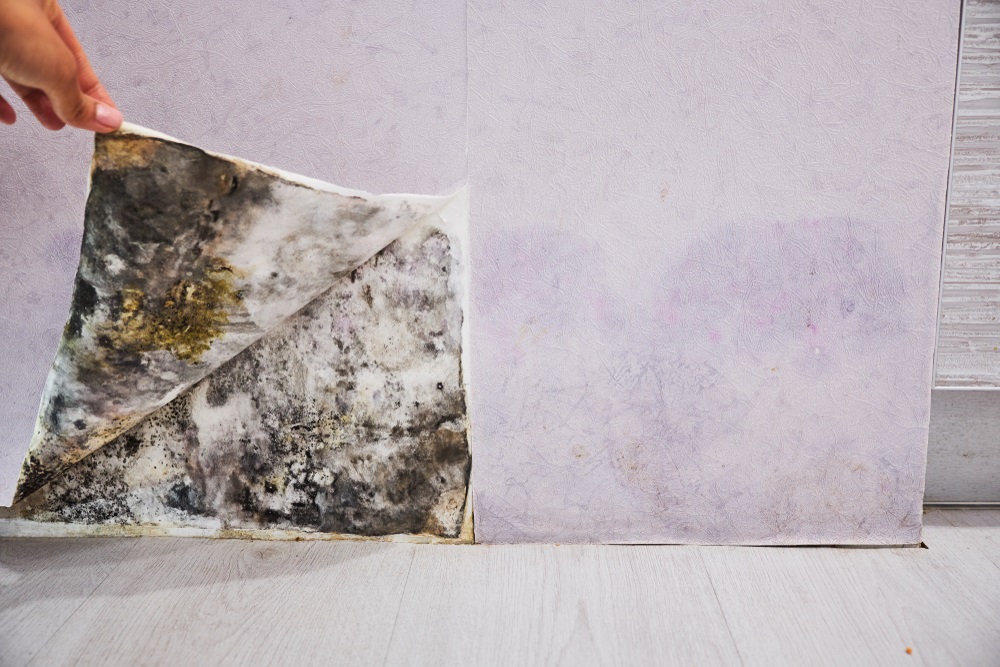
While damp patches and mould growth may seem to come and go with the seasons, the underlying causes rarely disappear on their own. Understanding what might be behind the problem is the first step toward resolving it properly.
Common Causes of Damp in the Home
1. Rising Damp
Rising damp occurs when moisture from the ground travels up through walls via capillary action. This typically happens when a damp-proof course (DPC) is missing, damaged, or ineffective.
Signs to look for:
- Tide marks or staining on lower walls
- Peeling paint or wallpaper
- Crumbling plaster
- A musty smell
Rising damp is often misdiagnosed, so it’s important that it’s properly assessed before any work is carried out.
2. Poor Ventilation and Condensation
Condensation is one of the most frequent causes of damp, especially in modern, well-insulated homes where airflow is limited.
Everyday activities like cooking, showering, and even breathing release moisture into the air. Without adequate ventilation, this moisture settles on cold surfaces, leading to damp patches and mould growth.
Common areas affected
- Bathrooms
- Kitchens
- Bedrooms (especially behind furniture)
- Windows and window frames
Improving airflow—through extractor fans, trickle vents, or simply opening windows—can help reduce condensation, but persistent issues may require a more tailored solution.
3. Leaking Roofs or Gutters
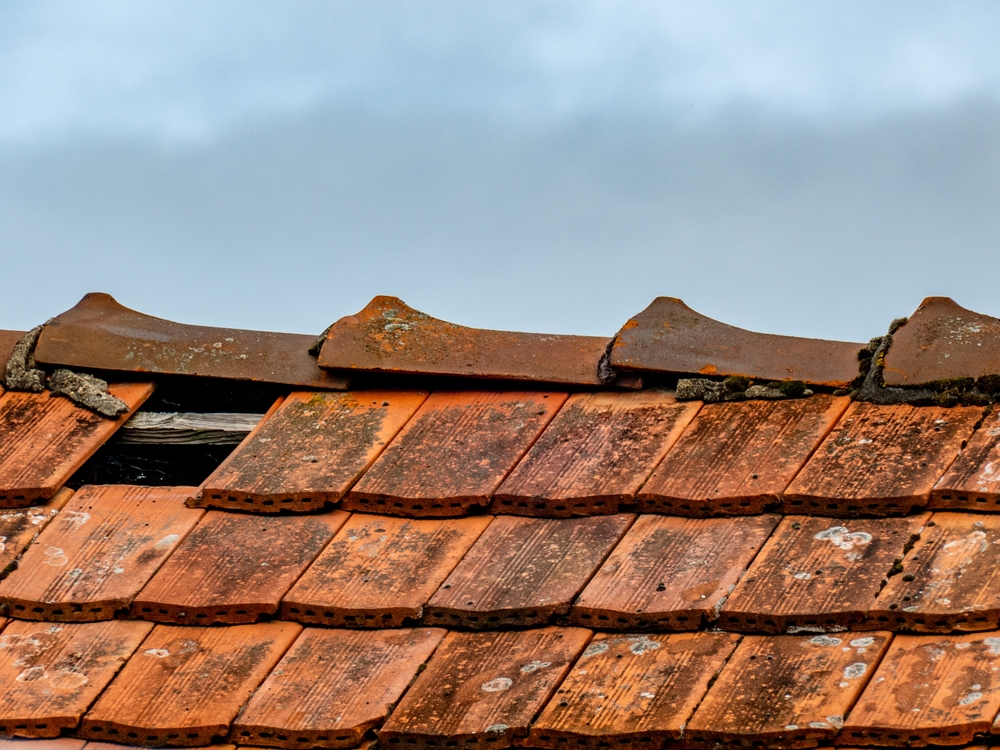
Water ingress from above is another major cause of damp. A damaged roof tile, blocked gutter, or faulty flashing can allow rainwater to penetrate your home.
Typical signs include:
- Damp patches on ceilings or upper walls
- Water stains after heavy rain
- Dripping or visible leaks in loft spaces
Because the source is external, these problems can worsen over time if not addressed promptly.
4. Penetrating Damp
Penetrating damp occurs when water passes through external walls due to defects such as cracks in brickwork, failed pointing, or damaged render.
Unlike rising damp, this type can appear anywhere on a wall and is often linked to weather exposure.
Indicators:
- Isolated damp patches that worsen in wet weather
- Cold, damp walls
- Visible external defects
5. Plumbing Leaks
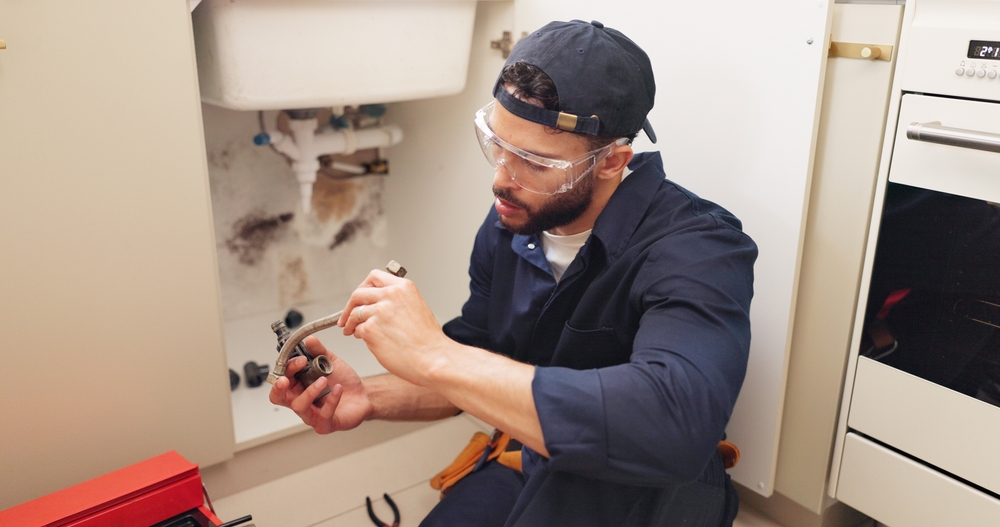
Sometimes, the source of damp is internal. Leaking pipes, faulty seals around baths or showers, or hidden plumbing issues can all introduce moisture into walls and floors.
These problems can be tricky to detect, especially if the leak is slow or concealed.
Damp and Mould: A Year-Round Problem
It’s a common misconception that damp and mould are only winter issues. In reality, they don’t disappear during the warmer months—they simply become less visible.
Higher temperatures and increased ventilation in summer can temporarily reduce surface moisture, making mould less obvious. However, the underlying damp often remains. Left untreated, it can continue to develop within walls, floors, and hidden spaces.
By the time colder weather returns, the problem can reappear more aggressively, often worse than before. In this sense, allowing damp to “fester” over the summer can actually make it a bigger issue in the long run.
Why Professional Diagnosis Matters
Because there are multiple potential causes of damp—and many share similar symptoms—it’s not always easy to identify the root problem without expert knowledge.
Misdiagnosis can lead to ineffective treatments, wasted money, and ongoing damage.
A qualified damp specialist will:
- Carry out a thorough inspection
- Identify the exact cause of the issue
- Recommend a targeted and appropriate remedy
This might involve anything from improving ventilation and repairing external defects to installing or repairing a damp-proof course.
Final Thoughts
Damp is more than just a cosmetic issue—it’s a sign that something isn’t quite right within your home. Whether it’s rising damp, condensation, or water ingress, the key is to address the root cause rather than just the symptoms.
And remember: just because you can’t see damp or mould in the summer doesn’t mean it’s gone. Tackling the issue early, with the help of a professional, can save time, money, and stress in the future.