How Does Weather Sealant Work?
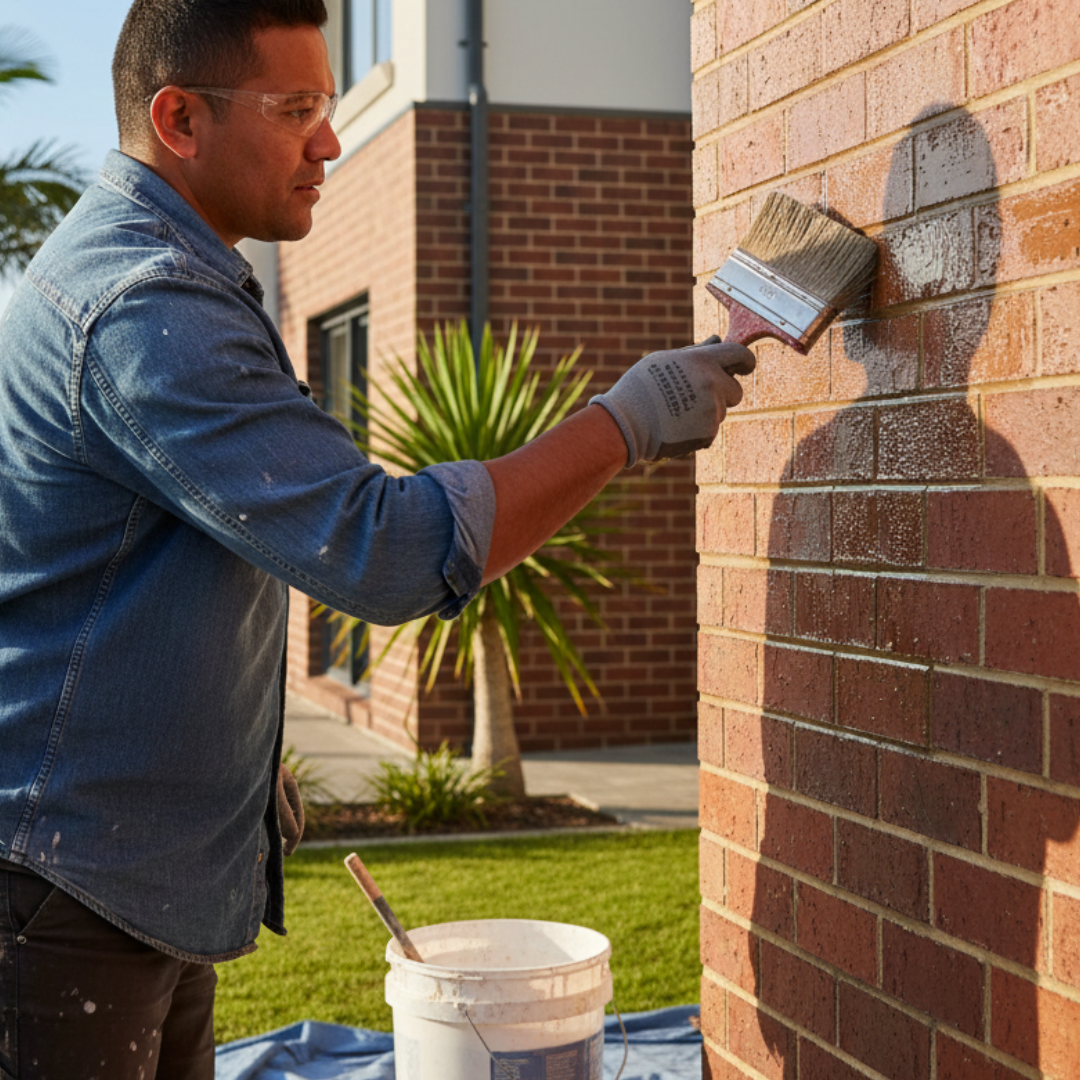
Bricks and mortar are naturally porous. During heavy rain, they can absorb moisture like a sponge. A quality weather sealant penetrates into the masonry and creates a water-repellent barrier that:
- Reduces rainwater absorption
- Allows trapped moisture to escape (breathable)
- Helps prevent penetrating damp
- Reduces frost damage and spalling
- Extends the life of brickwork and pointing
Think of it as making the wall water-resistant rather than waterproof.
Book a Survey
Will It Stop Penetrating Damp?
Yes, but only if rainwater penetration through the brickwork is the actual cause.
A weather sealant can be very effective when damp is caused by:
- Porous brickwork
- Exposed elevations facing prevailing weather
- Deteriorated but still intact masonry
- Older properties with absorbent bricks
- Driving rain penetration
However, it won't solve damp caused by:
- Failed pointing
- Cracked render
- Defective gutters or downpipes
- Roof leaks
- Condensation
- Rising damp
- Bridged cavity walls
Applying sealant without diagnosing the source is a common mistake. The water will simply find another route in.
When Should It Be Applied?
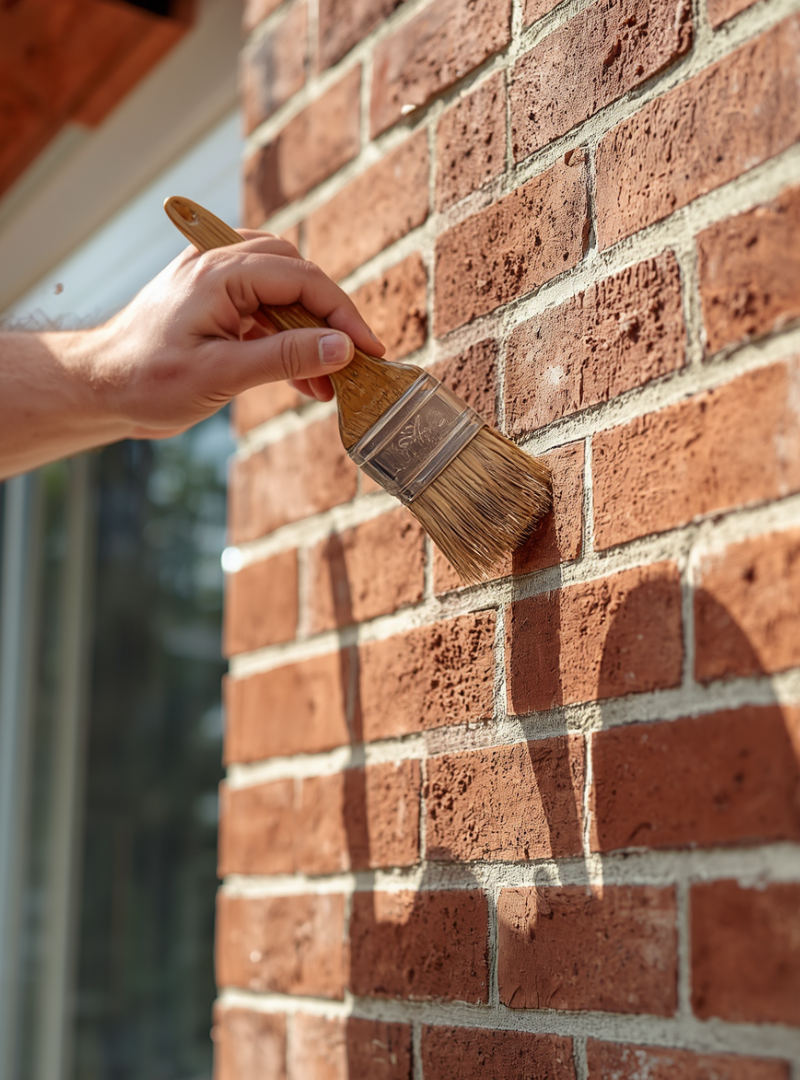
Weather sealant should always be applied in the Spring or Summer when you can guarantee that trapped moisture has left the bricks, However, Even in summer a weather sealant should only be applied when:
- The wall is dry.
- Any pointing repairs have been completed.
- Cracks have been repaired.
- Gutters and drainage issues have been resolved.
- A survey has confirmed rain penetration is the cause.
Ideal conditions:
- Dry weather forecast for 24-48 hours.
- Air temperature between 5°C and 25°C.
- No rain expected during application.
When I Recommend It
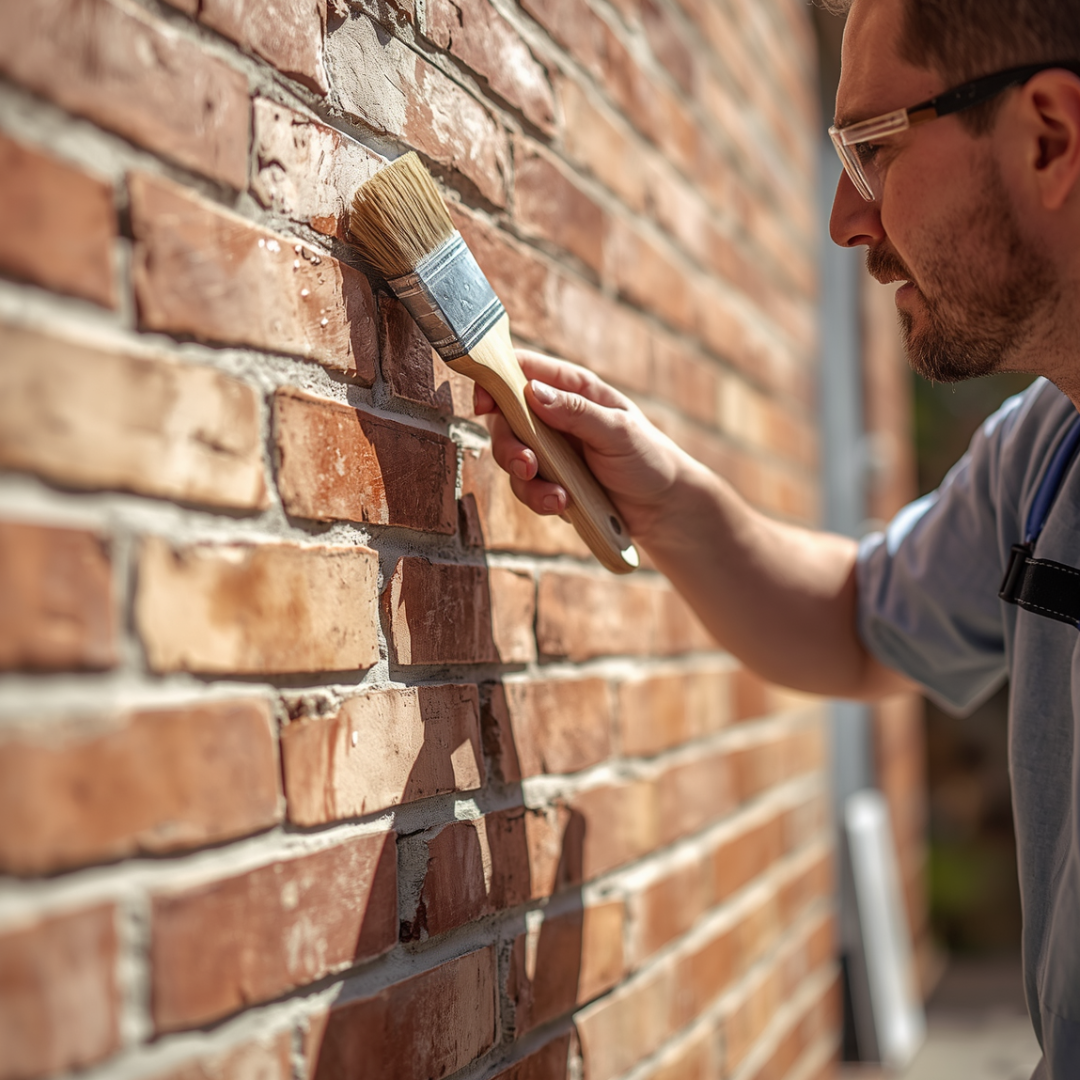
As a damp surveyor, I'd typically recommend a breathable masonry water repellent after:
- Repointing an exposed gable wall.
- Repairing weather-damaged brickwork.
- Resolving minor penetrating damp on a wind-driven rain elevation.
- Treating older solid-wall properties in Liverpool, Manchester, Blackpool, or coastal areas that receive heavy rainfall.
When I Wouldn't Recommend It
I would be cautious about applying sealant if:
- The property has cavity wall insulation that may be causing damp.
- The bricks are painted.
- There is significant trapped moisture within the wall.
- The actual source of damp hasn't been identified.
- Applying sealant to a wet wall can sometimes trap moisture and make internal symptoms worse.