The Importance of Proper Ventilation in the Home and How to Achieve It, Even in Winter
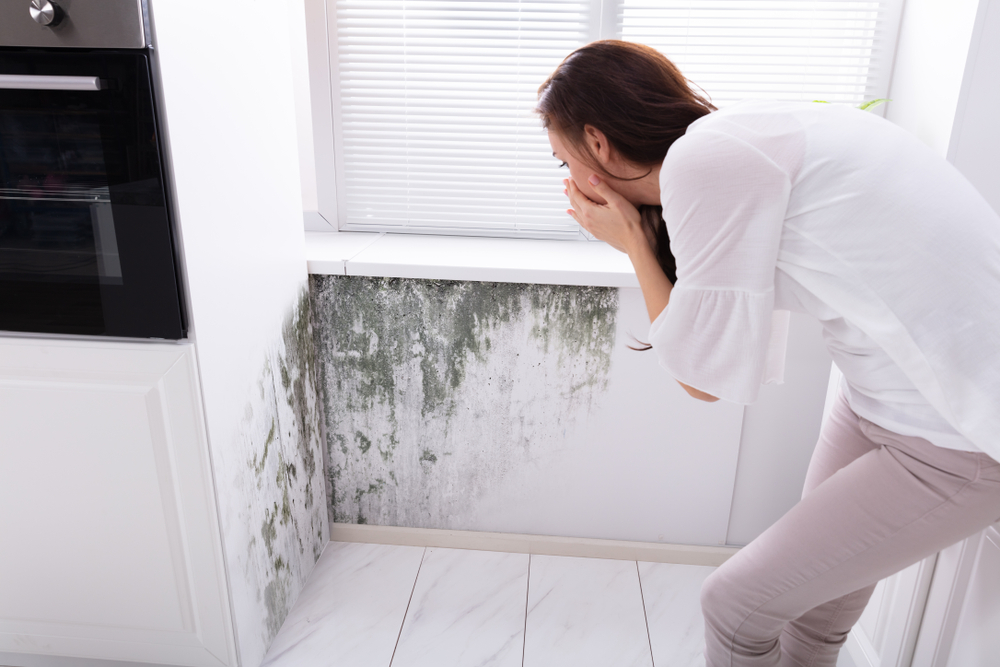
As temperatures drop and winter takes hold, it’s tempting to keep windows tightly shut and rely solely on central heating to keep the cold at bay. However, proper ventilation in the home is crucial, not just for comfort, but for the health of the occupants and the longevity of the property itself. UK homeowners and landlords must pay particular attention to ventilation, especially given the climate's tendency toward damp conditions and the risks they bring.
Why Ventilation Matters
Ventilation is essential to maintaining good indoor air quality. Poor ventilation can lead to the buildup of moisture, pollutants, and stale air, creating an environment conducive to the growth of mould and the spread of bacteria. This can have significant health implications, particularly for those with respiratory conditions such as asthma or allergies.
Damp Problems: Rising Damp, Penetrating Damp, and Condensation
1. Rising Damp: This occurs when moisture from the ground travels up through the walls of a building. Poor ventilation exacerbates rising damp as humid indoor air can prevent walls from drying out properly. Left untreated, it can lead to structural damage and unsightly stains.
2. Penetrating Damp: Caused by water seeping through walls or roofs due to defective brickwork, broken gutters, or leaky roofs. Without proper airflow, this type of damp can spread rapidly, causing wood rot and promoting mould growth.
3. Condensation: Perhaps the most common issue in UK homes during winter, condensation occurs when warm, moist air meets cold surfaces like windows or walls. This often results in black mould, which is not only unsightly but also a health hazard.
The Health Impacts of Poor Ventilation
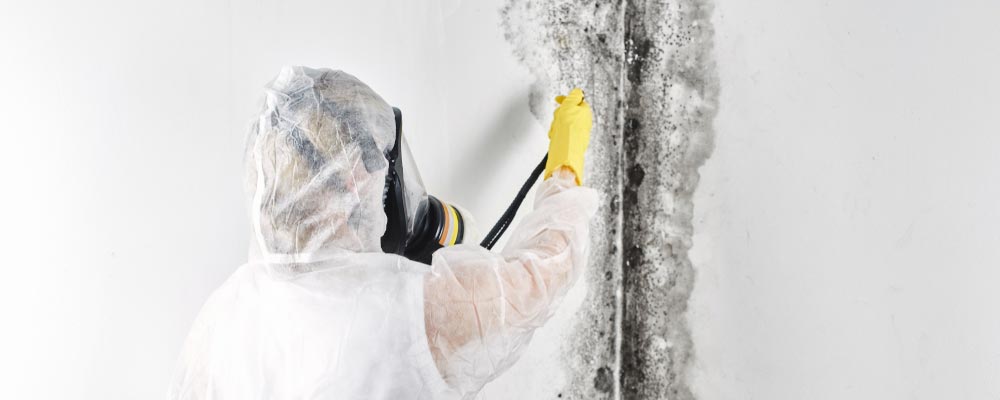
Living in a poorly ventilated home can lead to a variety of health problems. Mould spores, particularly those from black mould, can trigger asthma attacks, allergic reactions, and other respiratory issues. Long-term exposure to damp and mouldy conditions has also been linked to chronic sinus infections and weakened immune systems. Vulnerable groups, such as children, the elderly, and those with pre-existing health conditions, are at the greatest risk.
Achieving Proper Ventilation in Winter
Balancing warmth with proper ventilation can be challenging, but it’s not impossible. Here are some practical tips:
1. Use Extractor Fans: Ensure that extractor fans are installed and functional in kitchens and bathrooms. These areas generate the most moisture, and using fans can help expel humid air before it spreads.
2. Open Windows Strategically: Open windows briefly but regularly to allow fresh air to circulate. Even in winter, a short burst of fresh air can significantly reduce indoor humidity levels.
3. Install Trickle Vents: Modern windows often come with trickle vents, which allow a small amount of fresh air to flow in continuously without requiring windows to be fully open. If your windows lack these, consider retrofitting them.
4. Use a Dehumidifier: In particularly damp homes, a dehumidifier can help to control moisture levels. This is especially useful in rooms prone to condensation, such as bedrooms and living rooms.
5. Insulate and Draught-Proof: Proper insulation and draught-proofing can prevent cold air from entering and warm air from escaping. By maintaining a consistent indoor temperature, the likelihood of condensation is reduced.
6. Monitor Humidity Levels: Use a hygrometer to keep an eye on indoor humidity levels. Ideally, they should stay between 30-60%.
7. Address Damp Issues Promptly: If you notice signs of rising damp or penetrating damp, such as peeling paint, discoloured patches, or a musty smell, address the underlying cause immediately. This might involve fixing leaks, improving drainage, or treating walls with damp-proofing solutions.
A Call to Action for Homeowners and Landlords
UK homeowners and landlords have a responsibility to ensure their properties are safe, comfortable, and free from health hazards. Proper ventilation is a fundamental part of achieving this. Neglecting ventilation can lead to costly repairs, tenant dissatisfaction, and, most importantly, severe health risks for occupants.
By taking proactive steps to improve ventilation and manage damp, you can protect both your property and the people who live in it. Winter may bring challenges, but with the right strategies, your home can remain warm, dry, and healthy all year round.