
Things to remember about damp proofing
-
Early detection of damp issues can save you thousands of pounds
-
Homebuyer survey and damp proof course to detect excess moisture
-
Damp problems can drastically reduce your home’s market value
-
Health risks from damp include respiratory issues and skin infections
-
Winter exacerbates damp conditions, making early surveys crucial
-
Identifying and addressing damp can prevent costly structural damage
Book a Survey

Why You Should Care About damp and mould in Your Home
Damp issues aren't just a nuisance; they can significantly impact your property value. When left unchecked, damp can lead to structural damage, which could cost you thousands in repairs. The longer you ignore it, the more it will burrow into the very bones of your home, undermining its integrity.
An early damp survey can help identify these issues before they escalate, potentially saving you a fortune.
But it's not just about money. Damp can pose serious health risks, too. Mould thrives in damp conditions, and its spores can wreak havoc on your respiratory system. Prolonged exposure can lead to chronic health conditions, particularly for children and the elderly. So, don't ignore damp this winter — an early survey could be your first line of defence against these hidden threats.
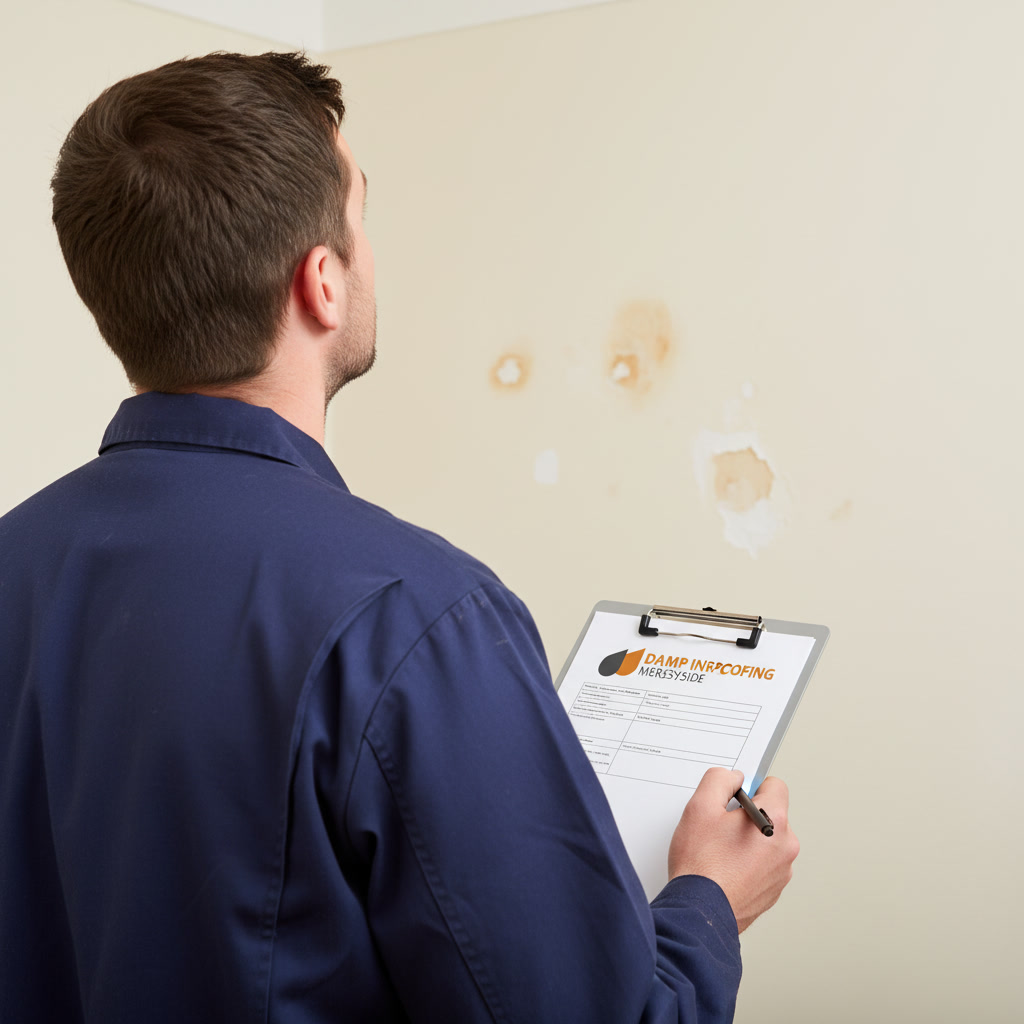
Damp problems and The Impact of Damp on Your Health
Living in a damp environment can be more than just uncomfortable; it can be downright dangerous. Damp conditions are a breeding ground for mould, which can trigger respiratory issues in sensitive individuals. If you have asthma or allergies, mould growth can exacerbate your symptoms, making life miserable.
Children and the elderly are particularly vulnerable to the health problems caused by damp.
Prolonged exposure can lead to skin irritations and infections, which can be both painful and costly to treat. Ensuring your home is free from damp not only protects your health but also alleviates the burden of potential healthcare costs.
Book a Survey
Damp survey cost and How Damp Affects Your Property Value
Property buyers are savvy these days, and they know a risky investment when they see one. A home plagued with damp issues can significantly reduce market value and deter potential buyers. Estate agents often advise sellers to address damp problems before putting their property on the market to ensure a smoother transaction.
Long-term damp can lead to structural concerns that scare off interested parties.
Imagine discovering that your dream home is riddled with damp — it's a deal-breaker for many. By conducting a damp survey early, you can address these issues head-on, maintaining your property value and making it a more attractive option for buyers.

Why Winter Makes Moisture and Damp Worse
Winter is the season when damp issues tend to rear their ugly head. Cold temperatures increase condensation, worsening existing damp conditions. Heavy rain and poor ventilation further exacerbate these problems, leading to an uncomfortable and unhealthy home environment.
During winter, we tend to spend more time indoors, leading to higher moisture levels from everyday activities like cooking and showering. Heating systems, while essential, can mask damp problems, delaying necessary repairs. By addressing damp issues before winter sets in, you can prevent these problems from spiralling out of control.
The Common Signs of Damp for Homeowners and What They Mean
Spotting the signs of damp early can save you a lot of hassle down the road. Peeling wallpaper, for example, may indicate rising damp, while a musty smell often signals hidden moisture. Discoloured patches on walls usually suggest penetrating damp, and unexplained cold spots can be a sign of condensation issues.
Check the source of moisture and persistent damp by inspecting wall surfaces, windows and doors, trickle vents and condensation on windows and cold surfaces during wet weather
Understanding these signs can help you pinpoint the source of the problem and address it promptly. Ignoring these indicators could lead to severe structural damage, so it's crucial to stay vigilant and act quickly.
Identifying Early Signs of Damp and mould growth
The earlier you catch damp issues, the better. Look out for damp walls, moisture diagnostics, and any changes in your home’s humidity levels. Regular moisture readings can help you keep track of potential problem areas, allowing you to take action before they escalate.
Investing in a damp survey can provide a comprehensive assessment of your home's moisture levels, offering peace of mind and a proactive approach to property maintenance. By identifying early signs, you can tackle damp problems head-on, protecting your home and your investment.
Understanding the Severity of Damp Signs and when to book a surveyor
Not all damp signs are created equal. Minor signs like condensation might seem harmless at first, but they can escalate into significant problems if left unaddressed. Without intervention, these minor issues can lead to severe structural damage, costing you a small fortune in repairs.
Early detection is crucial for preventing costly repairs down the line. By acting quickly, you can maintain your home's integrity and avoid the headaches that come with extensive damage. A damp specialist or surveyor can help you understand the severity of your damp problems and recommend effective solutions.
Common Areas Where Damp Appears
Damp doesn't discriminate; it can appear in various areas of your home. Basements, for example, often suffer from rising damp due to ground moisture. Bathrooms and kitchens are prone to condensation and mould growth because of their high humidity levels.
External walls are particularly susceptible to penetrating damp from rain, which can lead to unsightly damp patches and structural concerns. Being aware of these common problem areas can help you take preventive measures and safeguard your home against moisture issues.
What is Involved in a Damp Survey?
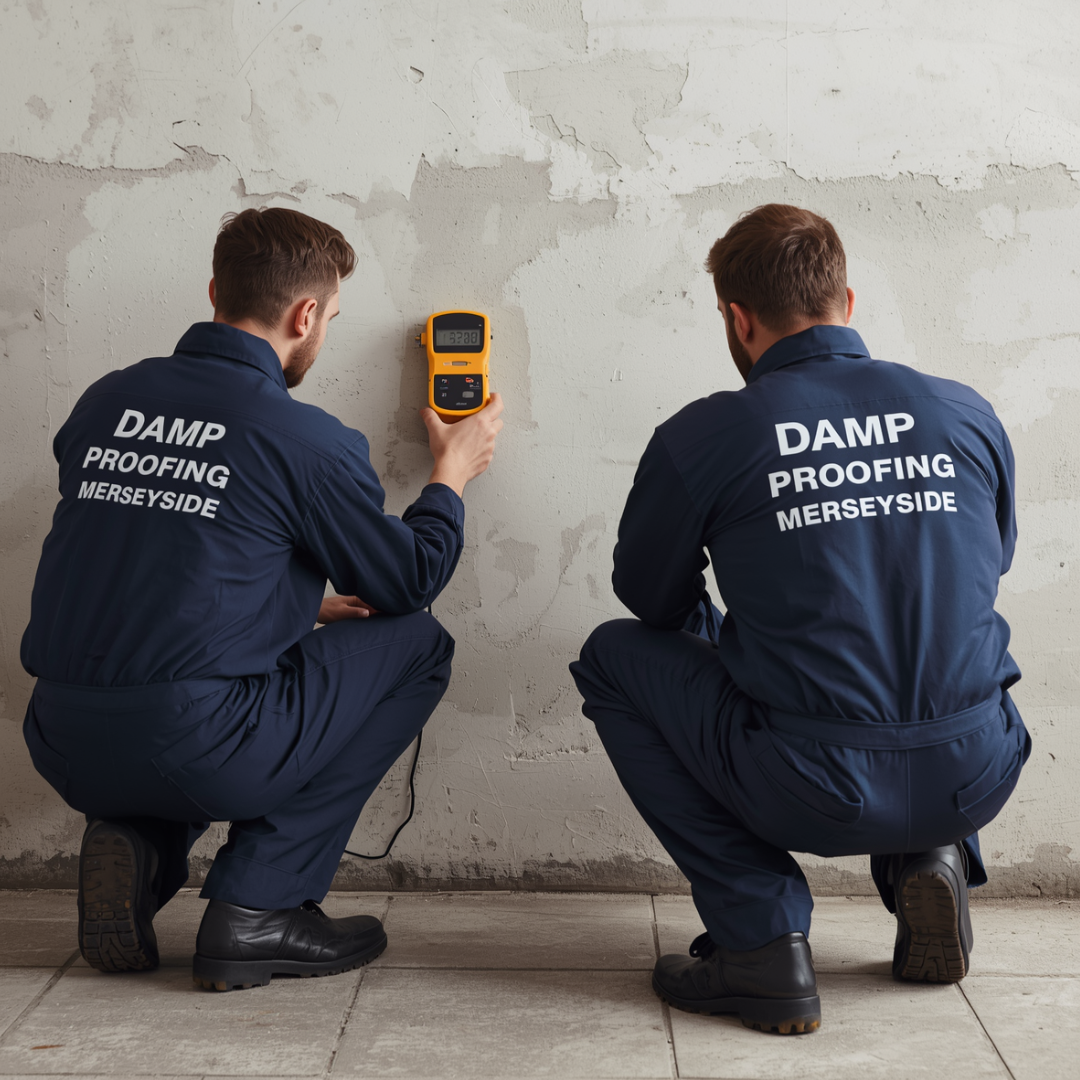
A damp survey is a comprehensive assessment of the affected areas in your home. Surveyors use moisture meters to detect hidden damp sources, identifying the type and extent of the issues present. The results of the survey will include recommendations for effective solutions to address the problems.
An independent survey is a worthwhile investment that provides valuable insights into your home's condition. By understanding the nature of your damp issues, you can take the necessary steps to protect your property and avoid costly repairs.
Benefits of Early Detection and Early damp treatment
Detecting damp issues early offers numerous benefits, from cost savings to improved property health. Addressing early signs can prevent minor problems from escalating into major headaches, saving you a substantial amount in repairs.
Investing in a damp survey and early detection allows you to implement damp treatment solutions proactively. This not only protects your home but also enhances its longevity and market value, making it a wise financial decision.
Guide to Different Types of Damp That Could Affect Your Property
Damp comes in various forms, each requiring specific treatment to resolve effectively. Rising damp originates from ground moisture seeping upwards, often due to poor drainage or a faulty damp-proof course. Penetrating damp occurs when water infiltrates through exterior walls, usually from heavy rain or blocked gutters.
Condensation forms due to temperature differences and poor ventilation, leading to damp issues inside your home. Understanding the different types of damp and their causes can help you implement the appropriate moisture management and damp proofing solutions.
Rising Damp: Causes and Solutions
Rising damp is a common problem caused by poor drainage, allowing water to accumulate and seep upwards into your home. A faulty damp-proof course often exacerbates the issue, leading to moisture problems in walls and floors.
Replacing or repairing the damp-proof course is a common solution to rising damp. Additionally, installing proper drainage systems can prevent future problems, protecting your home from the damaging effects of moisture.
Penetrating Damp: How to Spot It
Penetrating damp is often characterised by water stains on ceilings and walls, indicating that water has breached your home's exterior. Blocked gutters and poor maintenance of external walls contribute to this problem, allowing moisture to infiltrate your property.
Regular maintenance and proper sealing and painting of exterior walls can protect against penetrating damp. By preventing water ingress, you can avoid the headaches associated with damp-related damage.
Condensation: A Common Culprit
Condensation is a frequent issue in homes with poor ventilation, particularly in kitchens and bathrooms. Double glazing and insulation can help reduce condensation by maintaining consistent indoor temperatures.
Dehumidifiers are effective at managing indoor moisture levels, preventing condensation build-up. Regular airing of rooms, especially during the colder months, can also alleviate this common damp problem, ensuring a comfortable and healthy living environment.
The Costly Consequences of Ignoring Dampness
Ignoring dampness can lead to costly consequences, both financially and structurally. Damp conditions can cause significant damage to your home, necessitating expensive repairs and potentially reducing your property's market value.
By addressing damp issues early, you can avoid these costly repairs and maintain the integrity of your home. The investment in a damp survey and subsequent repairs is a small price to pay compared to the potential financial burden of unchecked dampness.
Health Risks Linked to Damp Environments
Damp environments pose serious health risks that can affect both you and your family. Prolonged exposure to damp can lead to chronic respiratory conditions, particularly in individuals with weakened immune systems.
Mould spores are a common by-product of dampness, and they can exacerbate health issues, leading to long-term healthcare costs. Preventing damp is crucial for maintaining a healthy living space and avoiding the health risks associated with damp and mould.
Avoiding Expensive Repairs with a Damp Survey
A damp survey is a proactive measure that can save you thousands in potential repair costs. By identifying issues before they escalate into major problems, you can avoid the financial burden of extensive repairs.
Regular surveys provide ongoing protection for your property, ensuring that any emerging damp issues are addressed promptly. Investing in a damp survey now can prevent future financial burdens and keep your home in top condition.
Insurance Benefits of Addressing Damp
Addressing damp issues can lead to lower home insurance premiums, as insurers often view a damp-free home more favourably. Properties with known damp problems may face refused claims, so regular maintenance and surveys can support insurance compliance.
A damp-free home is not only more appealing to insurers but also provides peace of mind for landlords and tenants. By maintaining a healthy property, you can enjoy the benefits of lower insurance costs and a safer living environment.
In summary, ignoring damp this winter could cost you far more than just money. From structural damage to health risks, the consequences of unchecked damp are significant. An early damp survey can protect your home and your wallet, ensuring that you enjoy a safe, comfortable, and healthy living environment. So, as winter approaches, the question remains: Will you take the necessary steps to protect your home from dampness?
Frequently Asked Questions
Should I be worried about damp on a survey?
Absolutely, damp can be a serious issue. It’s not just about unsightly stains; it can lead to structural damage and health problems. A survey revealing damp is a red flag signalling potential costly repairs. Acting on it promptly can prevent it from escalating into a more significant problem. A professional opinion can help you understand the extent and cause of the damp, guiding you on the best course of action. Remember, addressing damp early can save you both money and stress in the long run.
Why do houses get damp in winter?
Winter brings cold weather, and with it, households face increased moisture levels. The combination of colder temperatures outside and warm interiors often leads to condensation. Additionally, rain and snow can exacerbate issues with poor drainage or damaged roofing. Homes with inadequate ventilation or insulation can suffer more, as damp air gets trapped indoors. It’s crucial to ensure your home is well-ventilated and insulated to combat these winter damp issues effectively.
Who pays for a damp survey, buyer or seller?
Typically, the buyer shoulders the cost of a damp survey. It’s usually part of the due diligence process when purchasing a property. However, this can be negotiated between the parties involved. If the seller is keen to demonstrate that their property is in good condition, they might commission a survey themselves. Ultimately, who pays can vary, so it’s wise to discuss this early in the buying process to avoid any misunderstandings.
What happens if you ignore rising damp?
Ignoring rising damp can lead to significant issues. Over time, it can weaken structural elements, causing plaster to crumble and paint to peel. It creates an ideal environment for mould, which can pose health risks, particularly to those with respiratory issues. Furthermore, it can decrease your home’s value, making it less attractive to potential buyers. Addressing rising damp promptly is crucial to maintaining your property’s integrity and ensuring a healthy living environment.